Workflow Limitations
Standard Software Supports A Generic Version
Of A Process. When A Workflow Is Central To
How A Business Competes, Forcing It Into A
Generic Tool Creates Constant Workarounds.
Custom Software Development Services
From new digital products to modernized legacy systems, our software engineering teams handle architecture, integration, security, and delivery end to end.
Standard Software Supports A Generic Version
Of A Process. When A Workflow Is Central To
How A Business Competes, Forcing It Into A
Generic Tool Creates Constant Workarounds.
Tools That Don’t Share Data Force Teams To
Re-Key Records, Export Spreadsheets, And
Reconcile Systems By Hand.
Per-Seat Pricing, Usage Caps, And Vendor
Limits Grow Faster Than The Business, While
The Tool Itself Struggles At Real Volume.
None of this implies that off-the-shelf software is a bad choice; for many functions, it is the best option. The shift to custom software typically
occurs when a process, integration, or data requirement becomes so unique that a general-purpose tool can no longer handle it effectively.
Processes Are Built Into The Software Instead Of Forced Through A Tool That
Wasn’t Designed For Them.
Custom Software Can Be Extended As The Business Changes, Without Waiting
On A Vendor’s Product Roadmap.
Architecture, Data Models, And Infrastructure Can Be Planned Around Expected
Growth In Users, Data, And Transaction Volume.
Custom Applications Can Connect Directly With ERP, CRM, HR, Payment, And
Internal Systems Rather Than Relying On Limited Native Integrations.
Workflow Automation Can Be Designed Around How Work Actually Happens, Not
A Generic Approximation Of It.
Businesses Control Where Their Data Lives, How It’s Structured, And How It’s
Used.
Authentication, Access Control, And Data Protection Can Be Designed Around
Specific Risk And Compliance Requirements.
Interfaces Can Be Designed Around Real Roles And Tasks Instead Of A One-Size-
Fits-All Configuration.
Clean Architecture And Documentation Keep The Codebase Easy To Change
Years After Launch.
Custom Applications Can Incorporate AI And Automation Directly Into Workflows
Rather Than Bolting It On After The Fact.
Custom software isn’t always the best choice. For standardized, low-differentiation functions, a mature off-the-shelf product is usually faster
and less expensive. Custom software makes strategic sense when a workflow, integration requirement, or data model is so particular or critical
to competitive advantage that a general-purpose solution causes more friction than it eliminates.
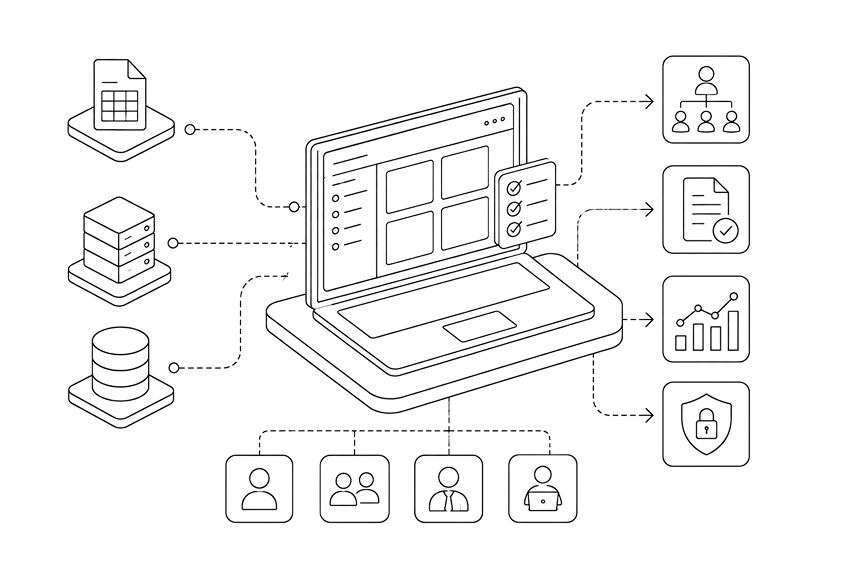
Software built around the operational structure of a larger organization, departments, approval chains, reporting lines, and compliance requirements. Suited to organizations running core operations on spreadsheets, legacy systems, or a patchwork of point solutions. It replaces fragmented processes with a single system aligned to how the organization actually works, improving consistency and visibility across teams.
Applications designed to support a certain operational procedure, such as approvals, order management, scheduling, case management, or related workflows. Suitable for businesses with processes that do not fit well into generic project or workflow tools. It lowers the number of human steps required to complete a certain operation and establishes a uniform, auditable workflow.
AI is increasingly being used as a capability within custom software rather than as a
standalone product. When integrated into an application with a real-world business
workflow, AI can significantly cut manual labor and improve decision-making. Redblox
builds the following capabilities into custom applications, where appropriate:
We start by understanding the business goal behind the request, the users, workflows, pain points, existing systems, and technical constraints. This stage defines what the software actually needs to do & why, before any design or development begins.

We define the application architecture, data model, integrations, infrastructure, and scalability requirements. This is where technology decisions are made deliberately, based on the requirements identified in discovery.

Prototype and validate interfaces with real users so the software fits how people work.

Build in short, demo-driven sprints with transparent progress and continuous feedback.

Automated and manual testing for functionality, performance, security, and accessibility.

Release through CI/CD pipelines with staged rollouts, data migration, and team onboarding.

Monitor, maintain, and evolve the platform as your business and users grow.

| Factor | Custom Software | Off-the-Shelf Software |
|---|---|---|
| Business workflows | Built around the business’s specific processes | Business adapts its processes to the software |
| Customization | Extensive, architecture and features shaped by requirements | Limited to vendor-provided configuration options |
| Scalability | Designed for the business’s specific growth and load requirements | Bound by the vendor’s architecture and licensing model |
| Integrations | Built to connect with any required internal or third-party system | Limited to the vendor’s supported integrations |
| User experience | Designed around real user roles and tasks | Generic experience serving a broad range of users |
| Data control | Business controls data location, structure, and usage | Data structure and access are set by the vendor |
| Long-term flexibility | Can evolve as the business changes | Dependent on the vendor’s product roadmap |
| Initial investment | Typically higher upfront cost | Typically lower upfront cost |
| Time to deployment | Longer, based on scope and complexity | Faster, since the product already exists |
Security and scalability are addressed as part of the architecture, not added after
development. Our approach includes:
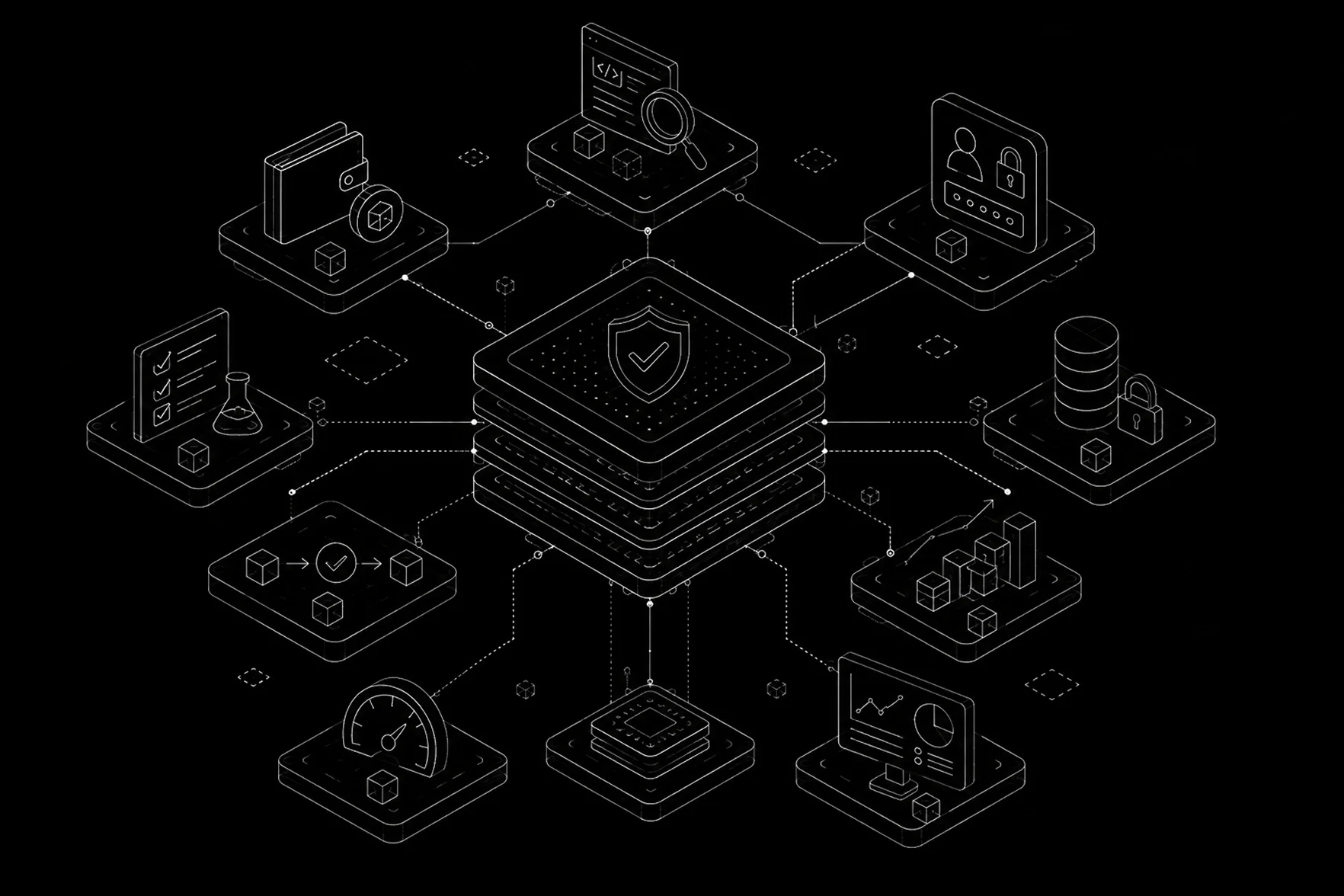
Redblox approaches custom software as a product engineering discipline, not a staffing or outsourcing exercise.
What differentiates our approach:
Every technical decision is tied back to a business workflow or outcome, starting from discovery.
We build software with the same rigor as a product team building something meant to be maintained and extended for years, not a one-off delivery.
Applications are built on current, maintainable technology rather than approaches that create technical debt from day one.
Every technical decision is tied back to a business workflow or outcome, starting from discovery.
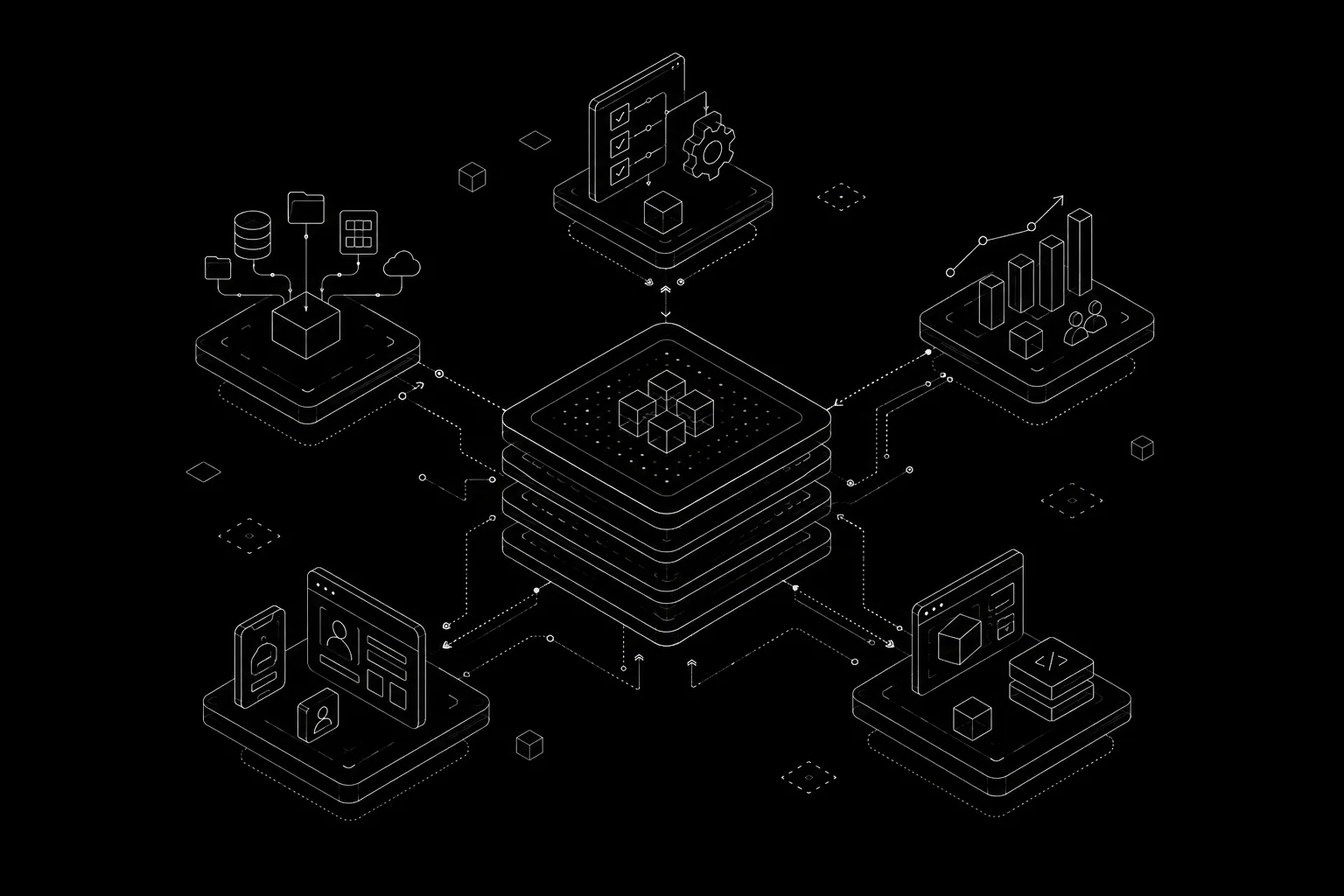
Automate repetitive workflows & reduce dependence on fragmented manual processes.
Create a unified software ecosystem through APIs and integrations.
Build applications capable of supporting growing users, transactions, data, and business complexity.
Create digital experiences designed around customer and employee needs.
Turn business ideas into scalable software products and platforms.
Redblox can assist you with evaluating the requirements, defining the proper architecture, and determining the best development
approach, whether that means developing a new product, an integration layer, or modernizing what you already have.
Fill your details below and get in touch with our domain experts