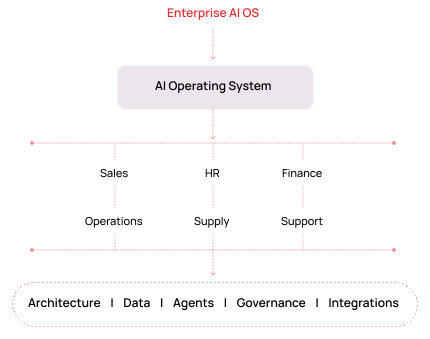
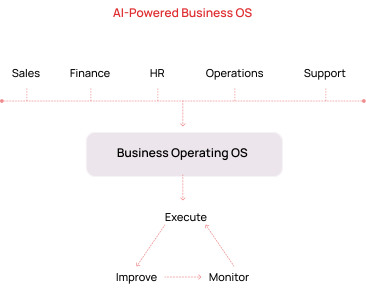
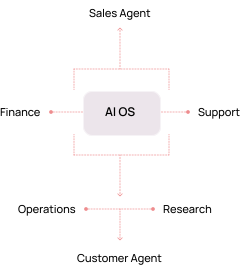
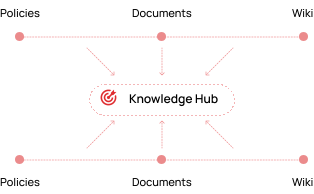
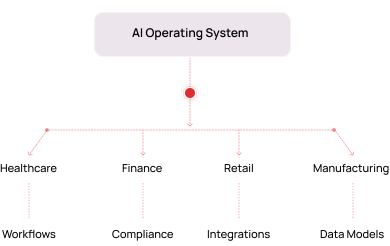
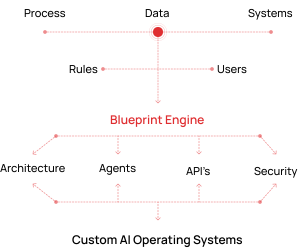
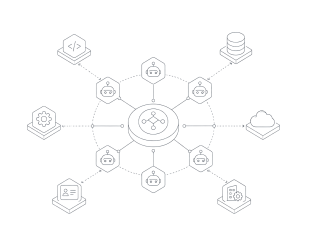
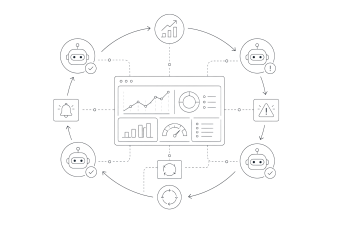
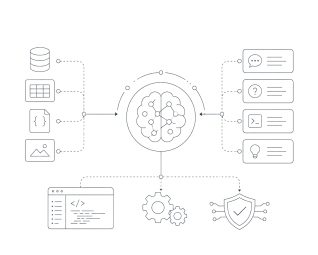
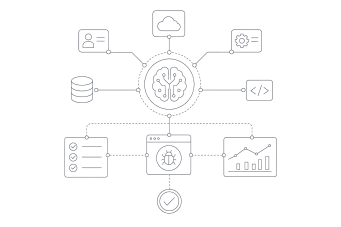
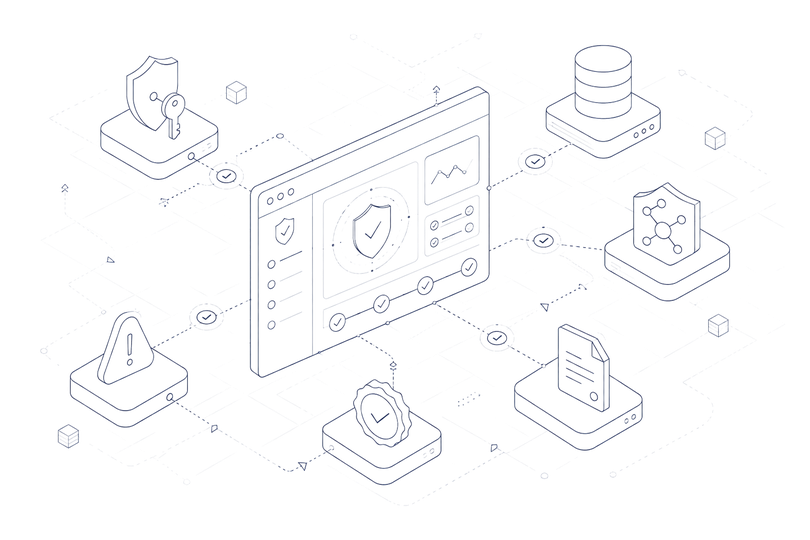
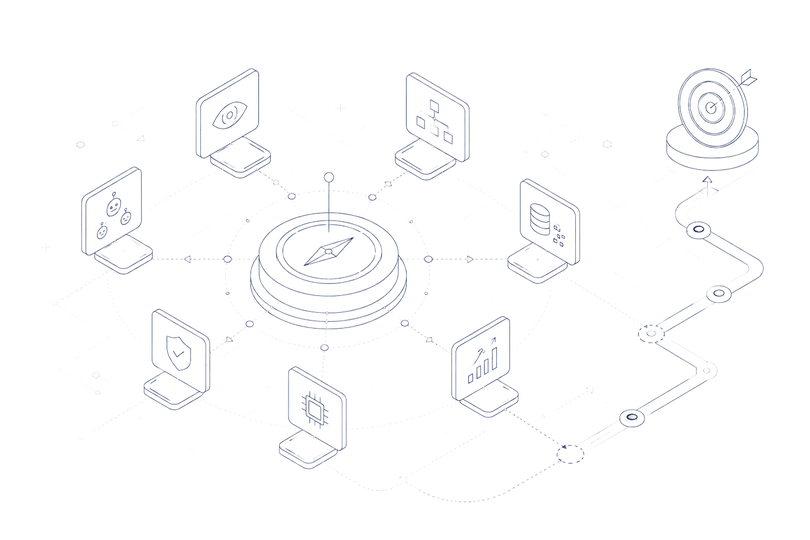
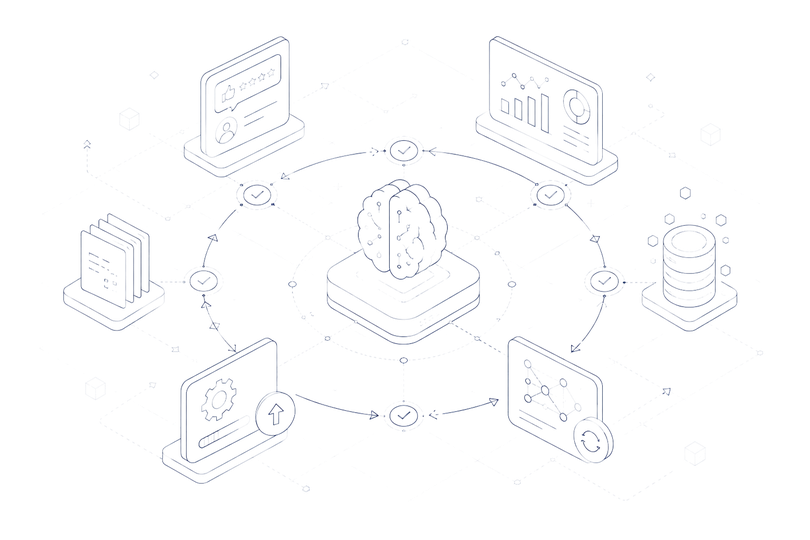
An AI Operating System is the intelligent layer that sits above your existing business applications (your CRM, ERP, HR platform, finance tools, support desk, and internal databases) and connects them through AI agents, automated workflows, and shared enterprise data. Instead of employees manually moving information between systems, an AI Operating System senses, decides, and acts on behalf of the business, following the rules, permissions, and judgment your organization defines.
Think of it the way a computer's operating system manages hardware, applications, and memory behind the scenes so a person only has to open a program and use it. An AI Operating System does the same for a company: it manages people, processes, applications, and enterprise data in the background, and surfaces only what a decision-maker actually needs to see or approve.
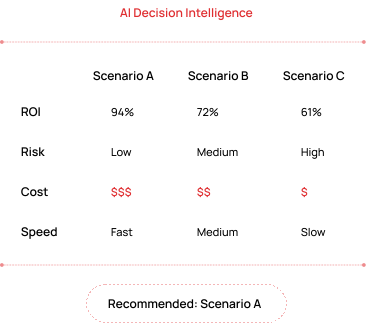
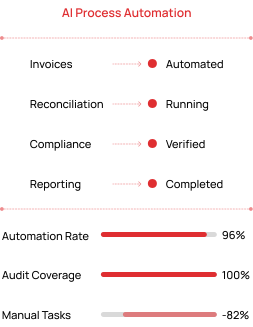
This is fundamentally different from traditional ERP or CRM software. Traditional enterprise software is a system of record, it stores data and executes predefined logic. An AI Operating System is a system of intelligence - it reasons over that data, coordinates AI agents across departments, automates multi-step workflows, and continuously learns from outcomes to improve how work gets done.
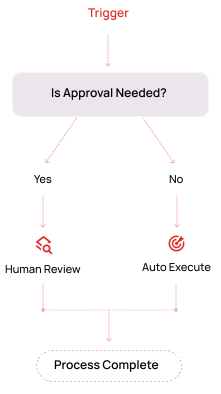
A practical example: In a traditional setup, a new customer order might touch five separate systems - sales, inventory, finance, logistics, and support - each requiring manual entry or handoffs. In an AI Operating System, an AI agent captures the order, checks inventory in real time, triggers finance approval only when a rule requires it, updates logistics automatically, and notifies the customer, with a human only stepping in for exceptions.